

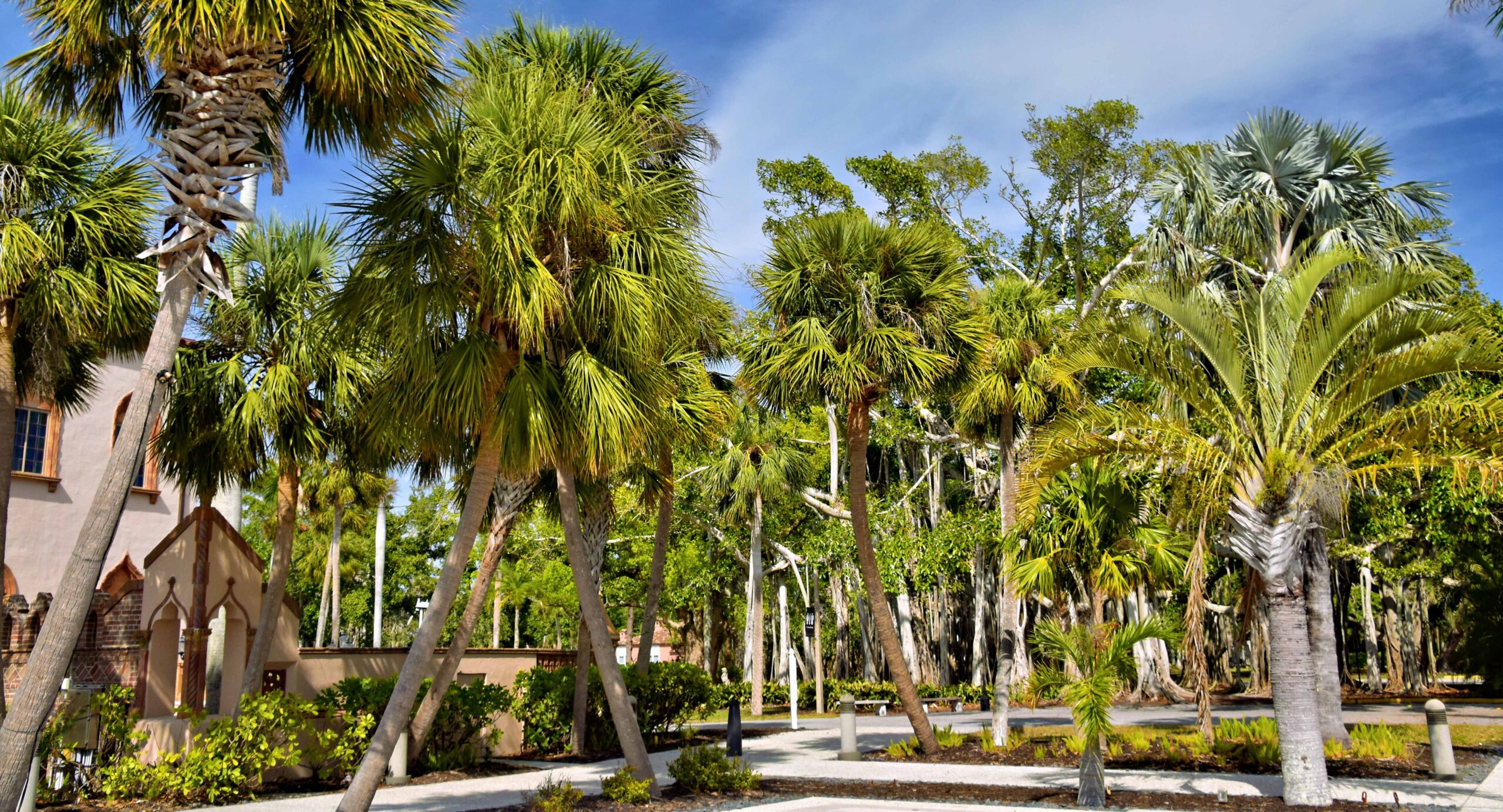
Tampa is one of the best climates in the country for growing things. It is also one of the most expensive to landscape against. Between the summer heat, the humidity, the watering restrictions, and the annual reality of hurricane season, maintaining a conventional residential landscape in the Tampa Bay area takes more money, more chemicals, and more time than most homeowners expect when they plant it.
A growing number of those homeowners are making a different calculation. Instead of spending more each year to keep non-native ornamentals alive, they’re replacing portions of their landscapes with native plants: species that evolved in Florida’s climate, grow in Florida’s soil, and survive Florida’s storms without the constant intervention that imported varieties demand.
What Conventional Landscaping Actually Costs in Tampa
The sticker price of a new landscape is the smallest part of the expense. The real cost is keeping it going through a Tampa summer.
Non-native ornamental plants and hybridized turf grasses need supplemental irrigation to survive Florida’s dry season. Watering restrictions enforced across the Tampa Bay area limit when and how often residents can irrigate, which means homeowners are managing irrigation schedules around regulatory windows while watching plants struggle through conditions they were never adapted to handle.
Then come the chemical inputs. Plants that didn’t evolve alongside Florida’s insects, fungi, and soil organisms are more susceptible to local pests and diseases. That means fertilizer to push growth, pesticides to fight insects, and fungicides to manage the mold and mildew that thrive in Tampa’s humidity. Each application is an ongoing cost, and each one introduces chemicals into the yard, the soil, and eventually the local water table.
Hurricane season adds a layer that homeowners in other parts of the country don’t face. Tropical storms can strip a conventional landscape in a single night. Ornamental plantings that took years to establish and cost thousands to install can require full replacement after a major storm event.
What Changes With Native Plants
Native plants evolved in Florida over thousands of years alongside the local soil biology, rainfall patterns, insects, and wildlife. That adaptation changes the entire maintenance equation.
Tammy Sons, a native plant expert and founder of TN Nursery, a third-generation nursery that has been growing and shipping native plants since 1959, sees the same pattern repeat with homeowners across the Southeast. “You can over-water them, you can over-fertilize them, you can over-care for them,” she says. “But they’re easy. That’s the main thing people need to understand.”
Because native plants co-evolved with local conditions, they need no supplemental fertilizer. They carry natural resistance to regional pests and diseases, so they need no pesticides. And once established, their root systems are adapted to local rainfall cycles, which in Florida means they can handle both the wet season and the dry season without supplemental irrigation that puts homeowners at odds with watering restrictions.
When root systems are established properly, they run deeper and access moisture that shallow-rooted ornamentals cannot reach during dry stretches. That deeper anchoring also helps during high winds. Florida’s native vegetation has coexisted with hurricanes for millennia. The plants that survived are the ones growing here now.
Sons’ nursery donated plants and gift cards directly to homeowners affected by Hurricane Helene, and she has seen firsthand how storm damage plays out differently depending on what was planted. The principle is straightforward: plants adapted to a hurricane-prone climate are better equipped to withstand and recover from storms than species imported from regions where hurricanes don’t occur.
Watering Smarter, Not More
For Tampa homeowners already navigating watering restrictions, the shift to native plants removes the biggest source of friction between their landscape and local water policy. But Sons offers a practical rule even for natives during their first year in the ground.
“The trick is establishing them properly the first year so the roots go deep, then leaving them alone,” she says. “If you’re watering daily once they’re established, you’re training them to depend on you. Water deep and infrequent, not shallow and often.”
That advice runs counter to what many homeowners do instinctively, especially in a hot climate. The impulse is to water frequently and lightly. But shallow watering keeps roots near the surface, where they dry out faster and anchor less securely. Deep, infrequent watering encourages roots to push down into cooler, moister soil layers, which is exactly what native plants are designed to do when left to their own biology.
After that first establishment year, most native plantings in a Florida climate will sustain themselves on rainfall alone, with the occasional deep watering during an unusually dry stretch.
The Pollinator Connection
There is another reason the shift matters beyond maintenance costs, and it connects directly to the food system.
Pollinators (bees, butterflies, birds, and bats) are responsible for the production of every fruit and berry Americans eat. Their populations are declining across the country, driven primarily by habitat loss and chemical exposure. Every residential yard that replaces chemically maintained ornamentals with chemical-free native habitat is contributing to the broader pollinator population that the agricultural food chain depends on.
Milkweed is one example. It is the only plant monarch butterflies can lay their eggs on, and monarch populations have declined severely as milkweed has been eliminated from agricultural land and roadsides through herbicide use. A single milkweed planting in a Tampa yard provides habitat that monarchs cannot find in a conventionally maintained landscape.
The Florida Native Plant Society maintains resources on which native species are appropriate for specific Florida regions, including lists organized by county and growing conditions. For Tampa Bay homeowners considering the switch, it is a practical starting point for identifying what to plant and where to source it.
 Getting Started
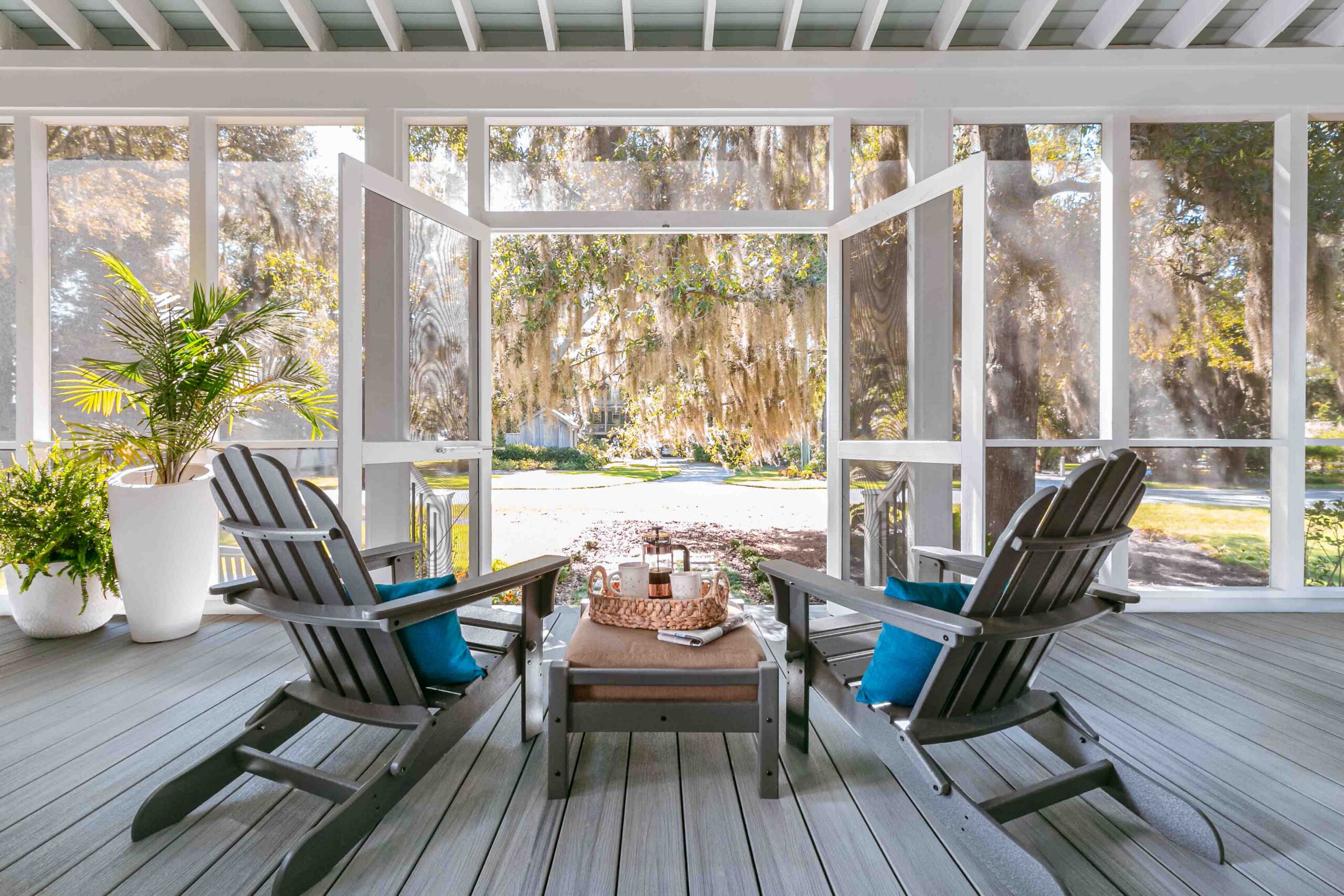
The transition does not require a full landscape replacement. Many Tampa homeowners start by converting one bed, one border, or the plantings around an existing outdoor deck or patio to native species. The reduced maintenance on that section often builds the case for converting more.
A few principles that apply across Florida’s native plant palette:
Match the plant to the site. Full sun, partial shade, wet soil, dry sand: Florida has native species adapted to each. Selecting plants matched to the actual conditions of your yard eliminates the need to modify those conditions with irrigation, amendment, or drainage.
Don’t over-maintain. Native plants do not need fertilizer, and most do not need supplemental watering after the first year. The most common mistake is treating them like the high-maintenance ornamentals they replaced.
Plant in the right season. Florida’s mild winters allow for fall and winter planting, which gives roots time to establish before the heat and rain of summer push top growth. This is the opposite of what most homeowners assume, but it produces stronger, more resilient plants.
Leave the chemicals behind. The entire value of a native landscape collapses if it’s maintained with the same herbicides and pesticides used on conventional plantings. Native plants don’t need them. Applying them defeats the purpose and harms the pollinators the plants are meant to support.
Where This Is Heading
The economics of conventional landscaping in a subtropical climate with water restrictions, hurricane exposure, and rising chemical costs are pushing more homeowners toward the same conclusion. Native plants cost less to maintain, survive the conditions they’re planted in, and contribute ecological value that ornamental landscapes cannot.
“Native plants are the future,” Sons says. In Tampa, where the gap between what conventional landscapes demand and what the climate provides is wider than almost anywhere in the country, that future is arriving faster than most.
Looking to advertise with us? Click here to find out more.

