

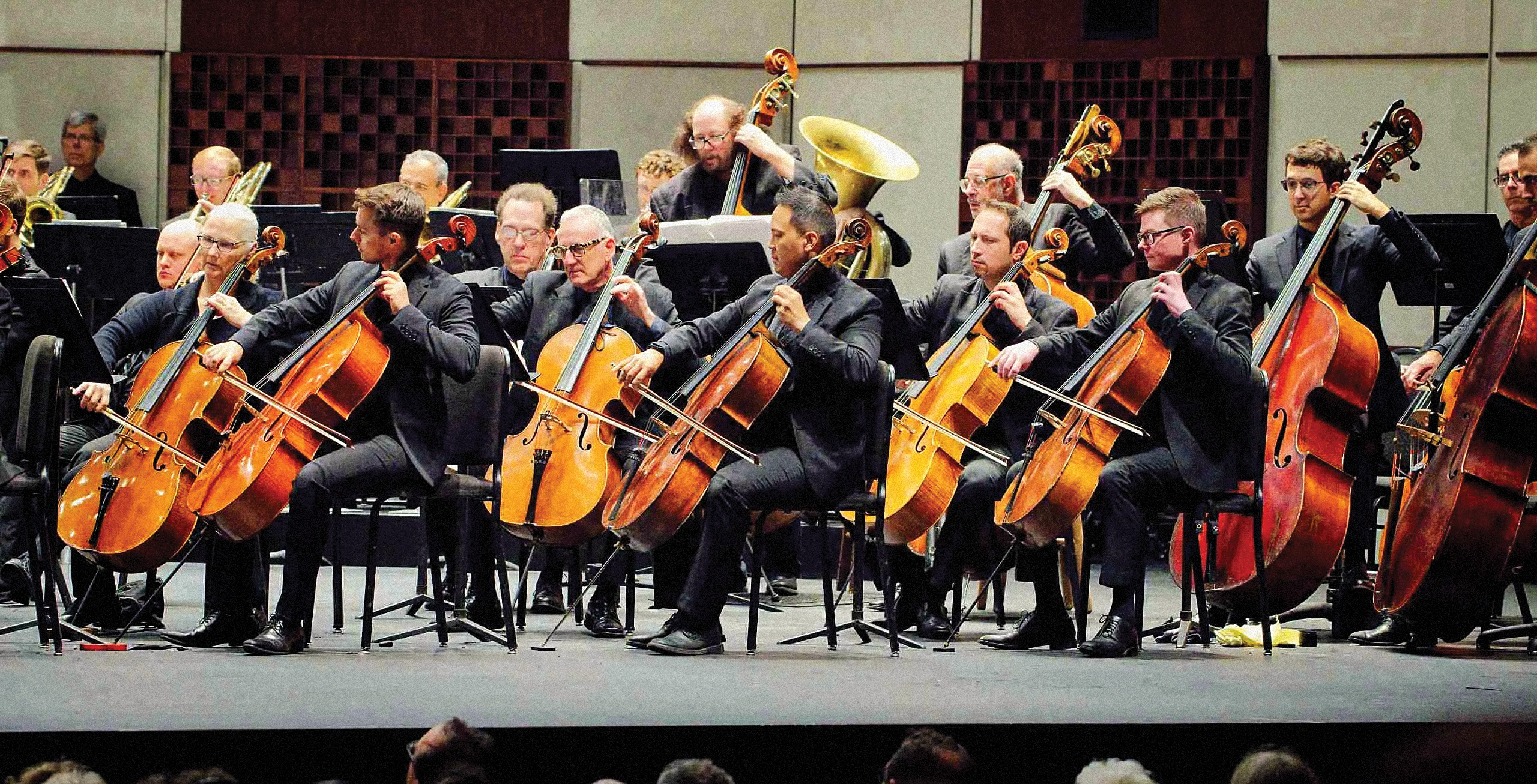
Looking back, the Tampa Bay area was no stranger to large orchestras and bands. Tampa citizens were entertained as early as the 1850s by music performed by military and civilian bands.
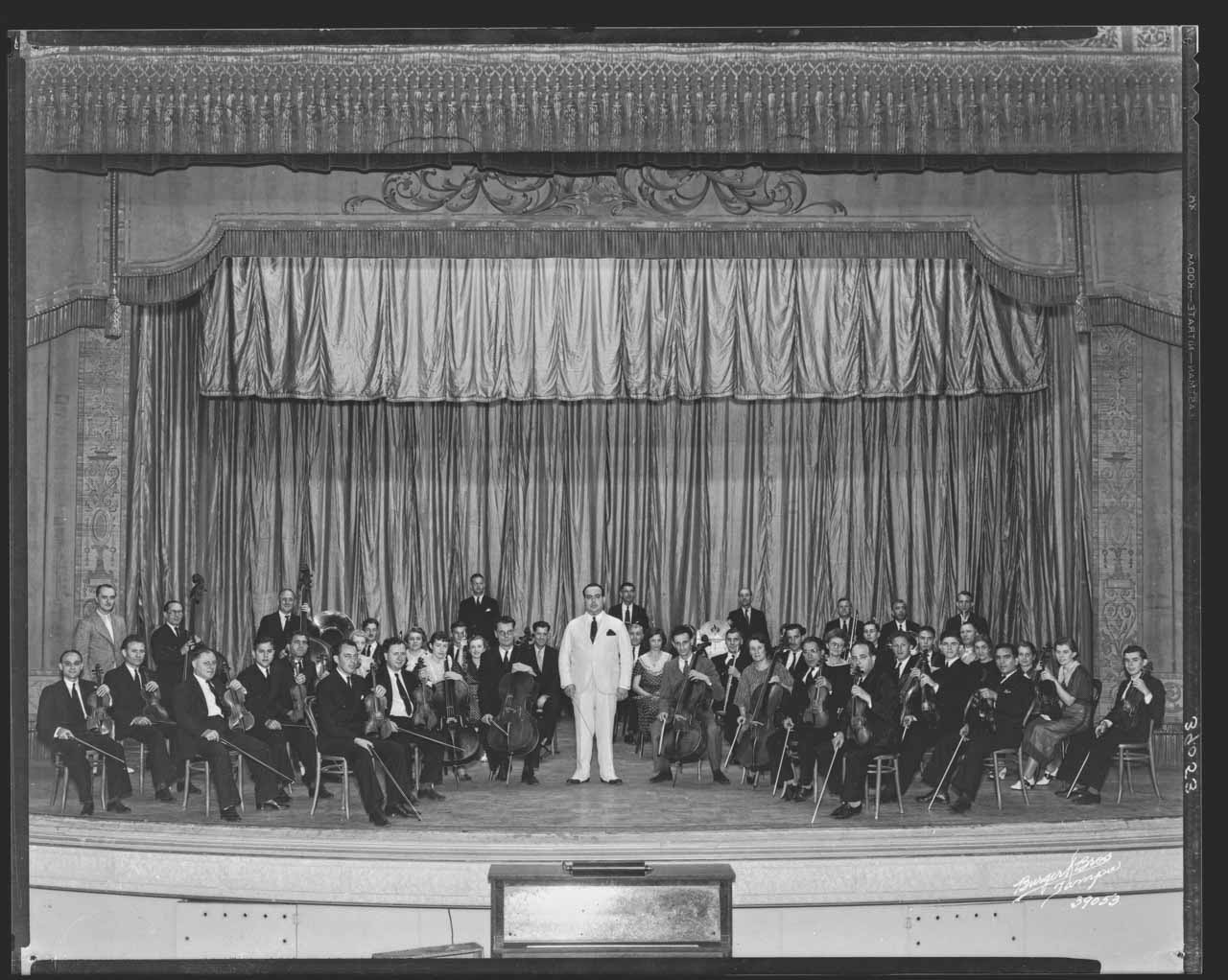
By the early 20th century, both Tampa and St. Petersburg had professional musicians performing for crowds in a variety of venues. Admittedly, Tampa’s music scene was more developed by the 1930s through the assistance of the federal Works Progress Administration. By the mid-1940s, that group evolved to become the Tampa Symphony Orchestra (renamed the Tampa Philharmonic Orchestra in 1959). On the other side of the bay, similar efforts led to the formation of the St. Petersburg Symphony, founded in 1950 by the Carreno Music Club.
Concerts on both sides of the bay continued to be popular, and discussions about uniting the two groups began to grow in the early 1960s. Those talks led to a ceremony that is the epitome of a regional partnership. On November 23, 1966, representatives from the Tampa Philharmonic and the St. Petersburg Symphony (led by Nancy Ford and Woodrow Register, respectively) literally met in Tampa Bay – each carried there by boats provided by Dick Misner of Misner Marine – to approve a merger of the two groups, which led to the formation of the Florida Gulf Coast Symphony.
The FGCS played its first concert at Tampa’s McKay Auditorium two years later, on November 14, 1968. The following day, the symphony played another sold out show, this time at St. Petersburg ’s Bayfront Center. Thus began the tradition of playing identical shows on both sides of the bay. That tradition – aside from a name change in 1984 to The Florida Orchestra – remains strong today, a lesson we can all take in the benefits of cooperation between both sides of Tampa Bay.
Looking to advertise with us? Click here to learn more.

