

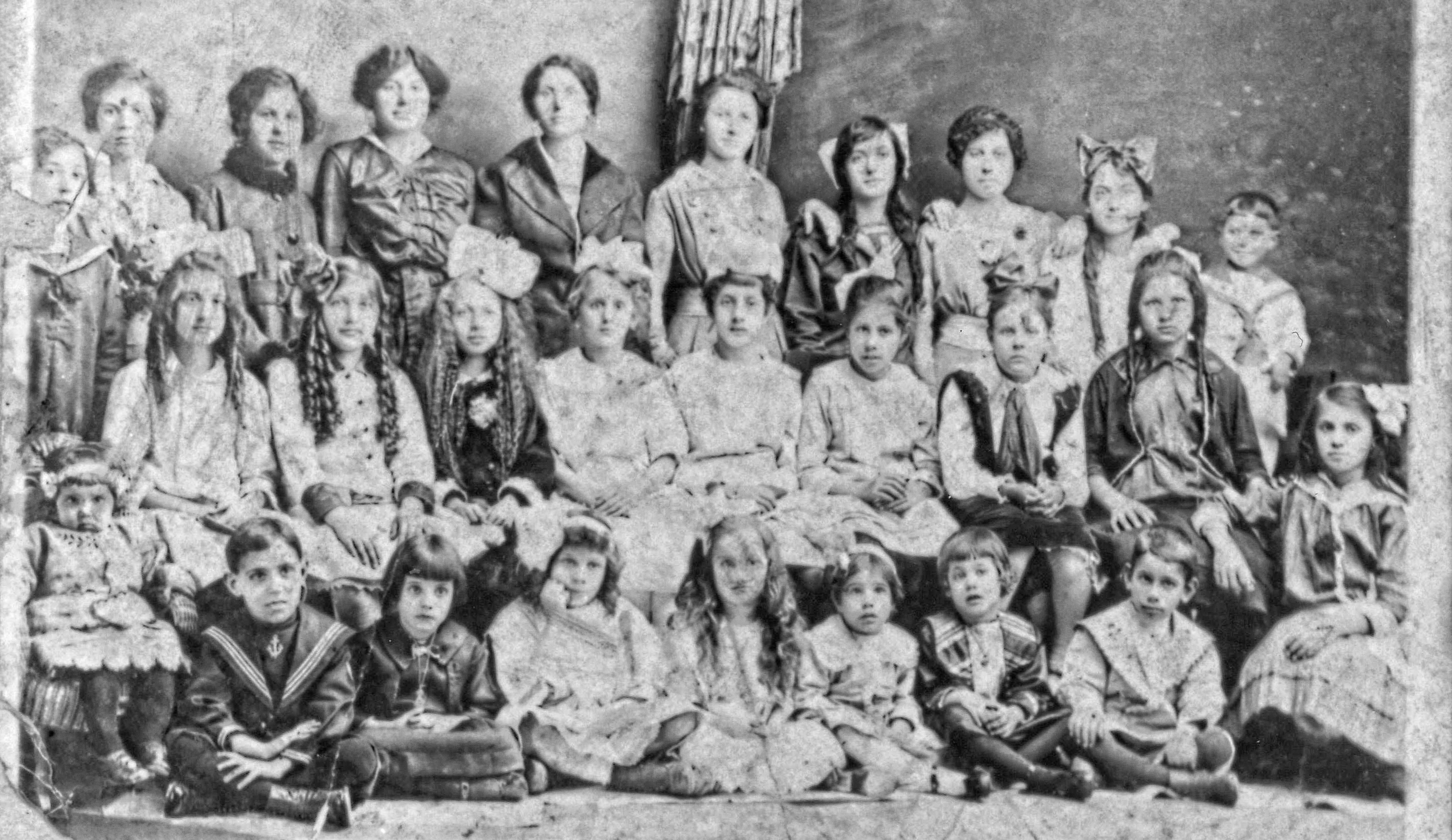
When the story of early Ybor City is told, the immigrant founders from Cuba and Spain are often at the forefront. But that narrative overlooks a significant population that helped enhance Cigar City: immigrants from Sicily. Tampa’s Sicilian families contributed significantly to the social and commercial fabric of Ybor City, West Tampa and Tampa as a whole.
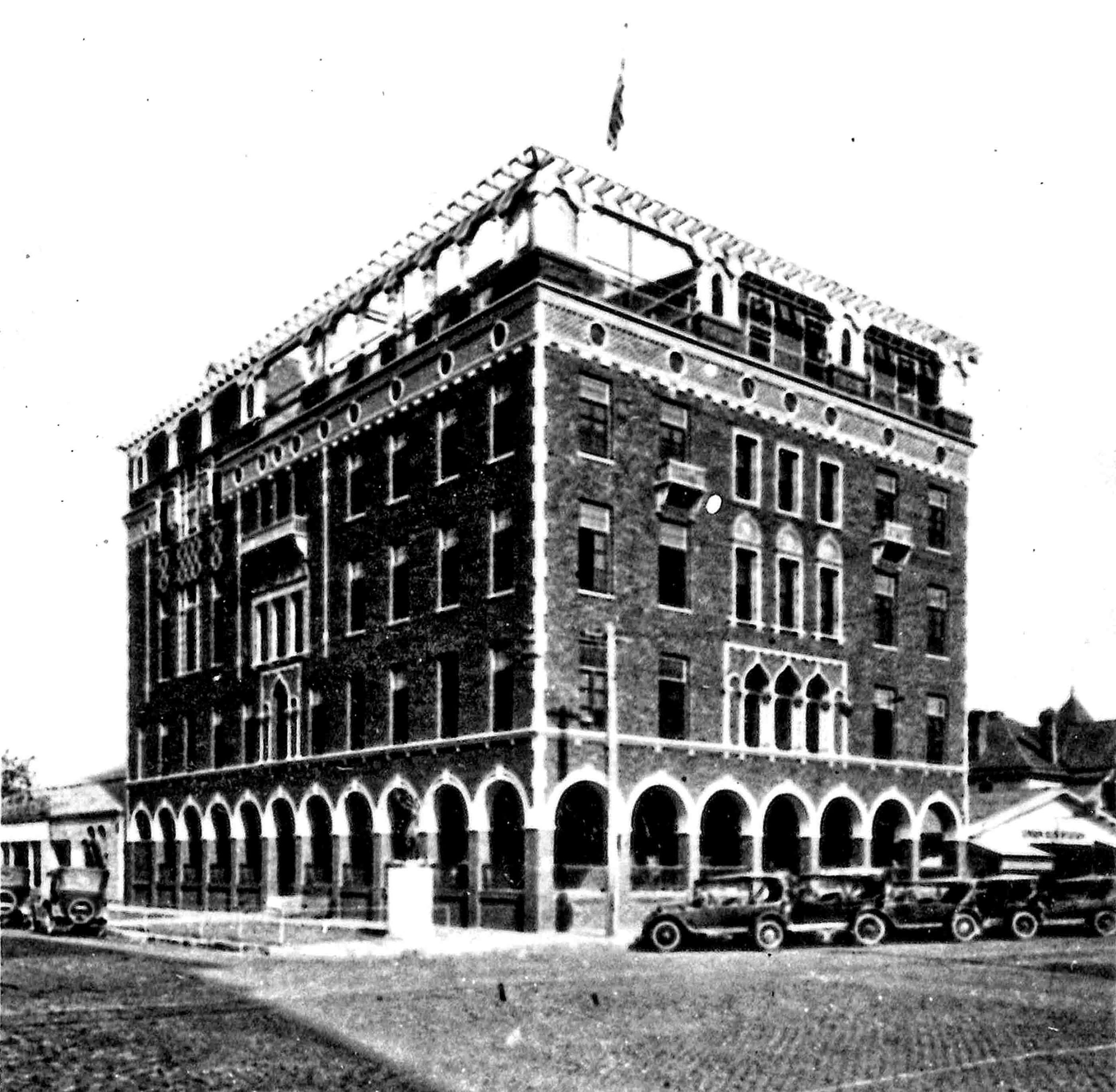
Following the arrival of Cuban and Spanish immigrants in the mid-1880s, the first Sicilians came to Tampa in the early 1890s, many by way of St. Cloud, Florida. Lured by the promise of work in the state’s sugar cane fields, they instead found the labor grueling and dangerous. Seeking better opportunities, many turned to Tampa, where the cigar industry and its thriving immigrant communities offered promise.
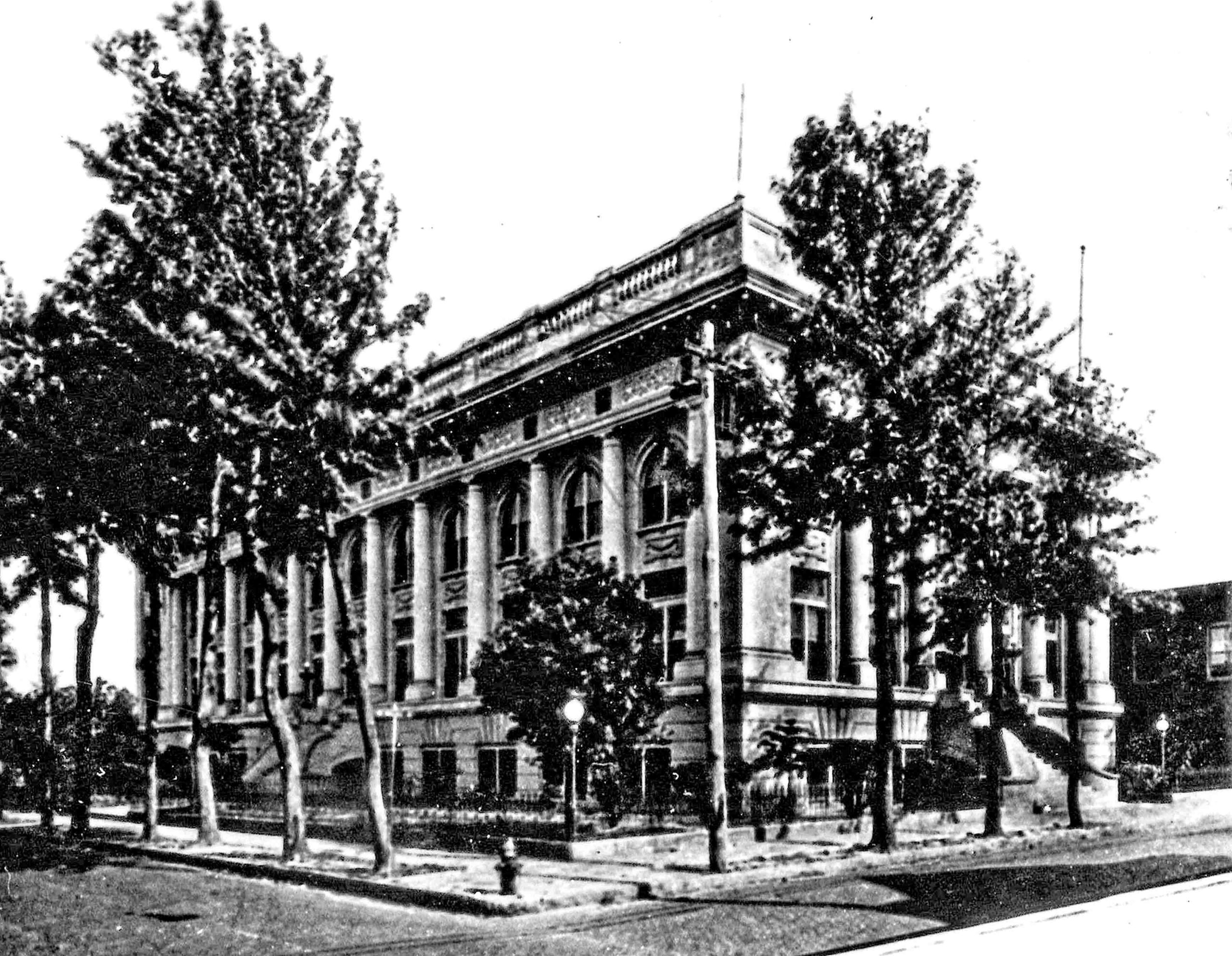
Although the island of Sicily is fairly small, Tampa’s Sicilian population largely came from a handful of villages: Santo Stefano, Alessandria della Rocca and Agrigento, with Cianciana and Bivona contributing families too. What began as a trickle became a steady flow, with more than 2,000 Sicilians arriving over the next decade.
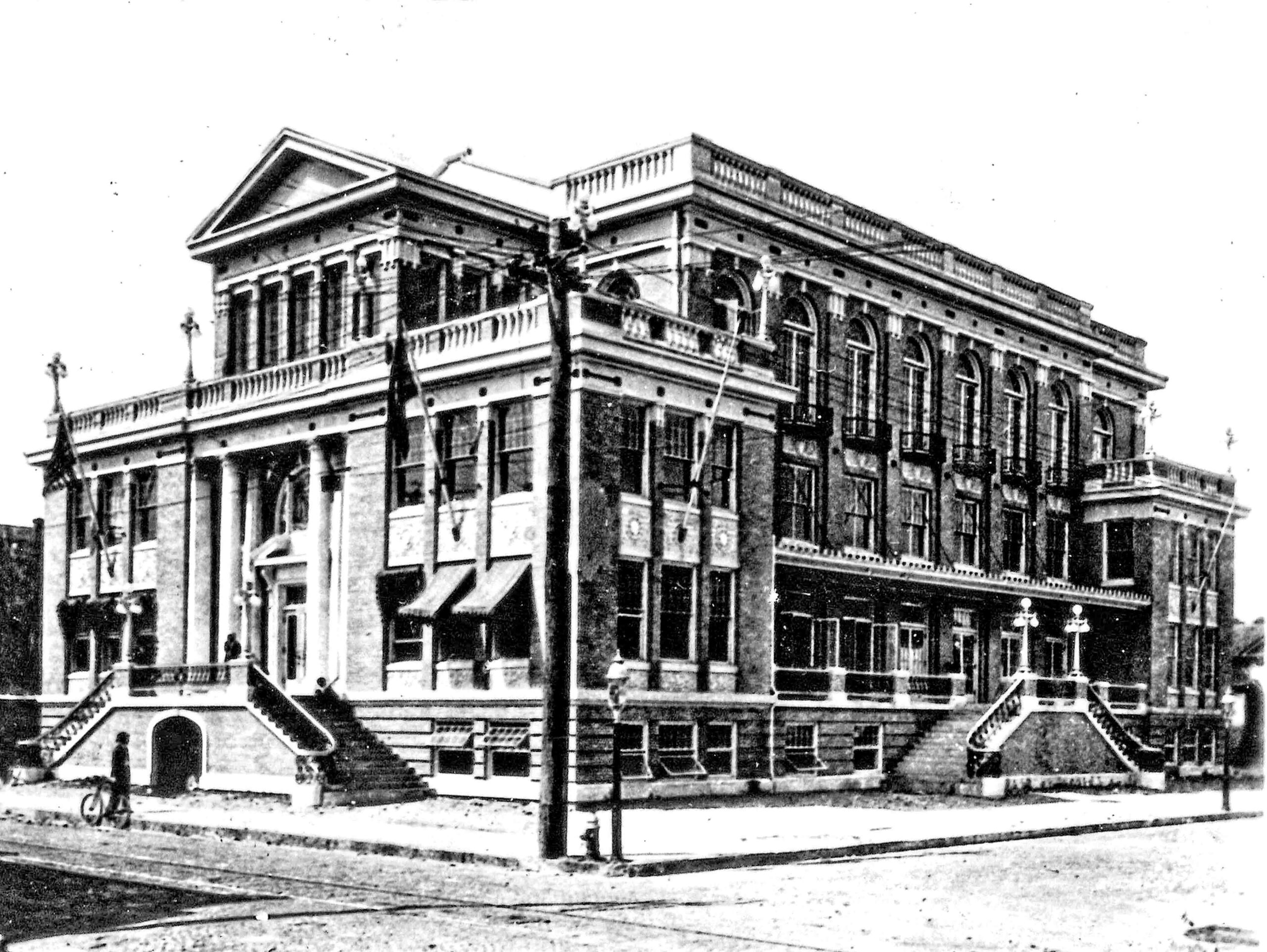
Their migration was spurred by conditions in Italy and Sicily — failed agricultural policies, suppression of workers’ leagues and a lack of opportunity. Once in Tampa, many found a variety of occupations similar such as farming, while others entered cigar factories or businesses tied to the cigar trade. Wages were invested back into the community in the form of L’Unione Italiano, or the Italian Club, one of several mutual aid societies in Tampa.
There was also a strong emphasis on education. A number of their sons became doctors, while others took over family businesses that carried into the second and third generations.
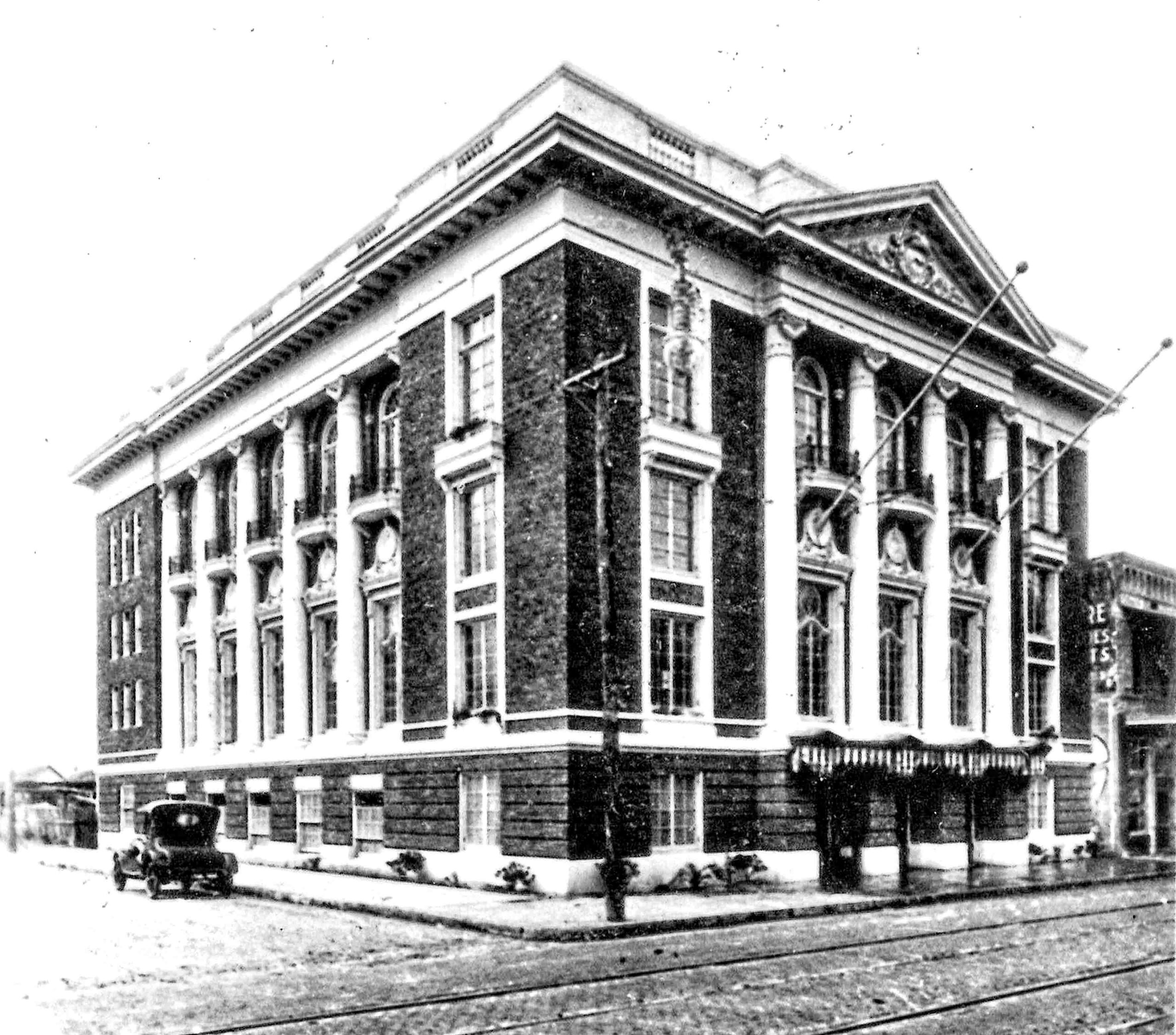
Over time, Sicilians intermarried with Cuban, Spanish and Anglo families, further enhancing Tampa’s cultural heritage. That legacy is still evident today — in the city’s food, architecture and even its distinctive accent.
Rodney Kite-Powell is a Tampa-born author, the official historian of Hillsborough County and the director of the Touchton Map Library at the Tampa Bay History Center, where he has worked since 1995.
Click on over for more Tampa Bay History. Or if you’re looking to advertise, click here.

