

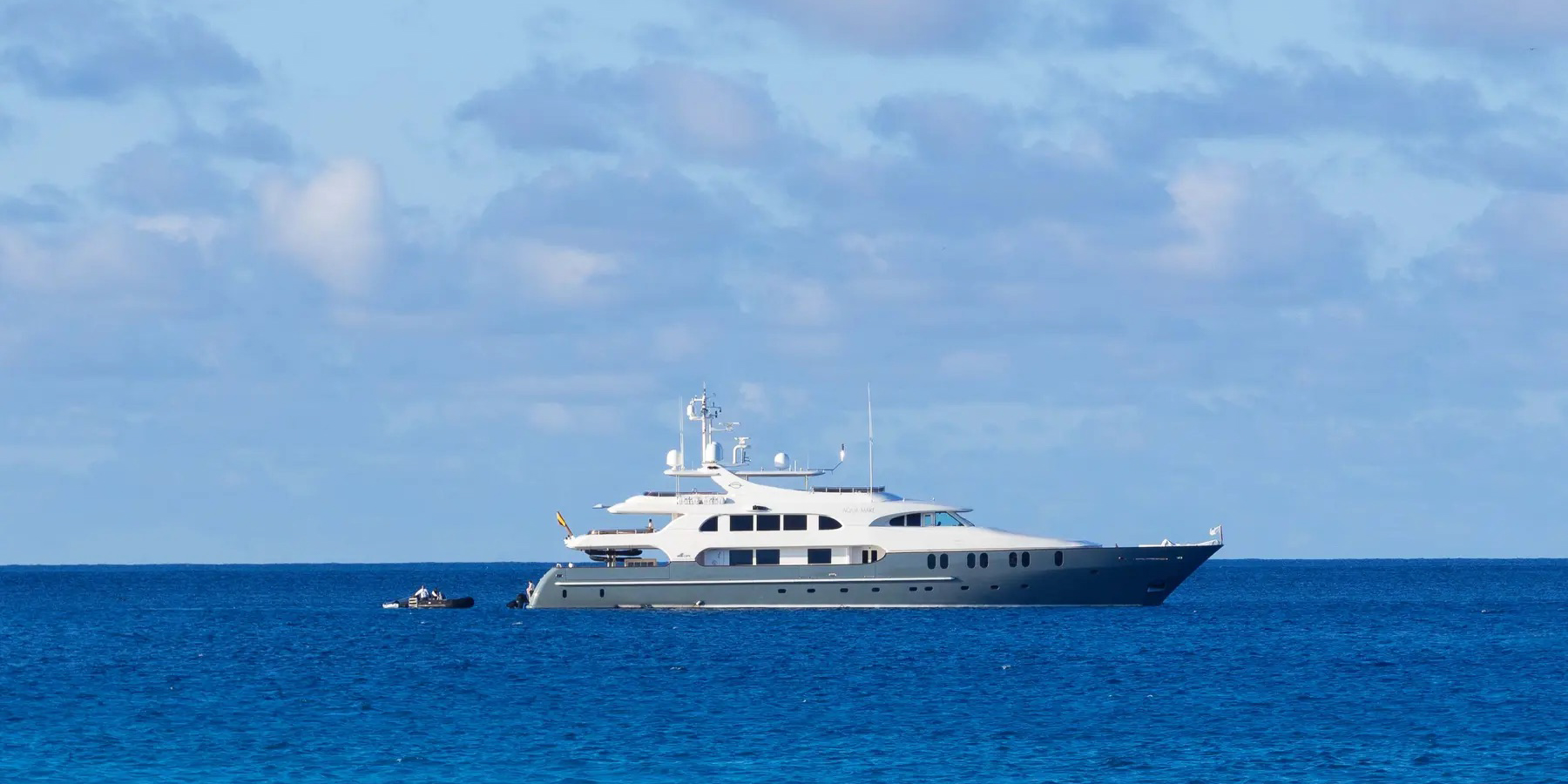
Why a Smaller Boat Wins in the Galapagos: A Wildlife Lover’s Case Against the Big Ship
Ninety-six. That’s the number of passengers on the largest ships allowed to sail the Galapagos, and it’s the number that quietly ruins a lot of bucket-list trips. I found that out the hard way on my first visit, watching sixty people file past a single sea lion pup while a naturalist shouted facts over the crowd. On my second trip, twelve of us knelt on the same beach and stayed for forty quiet minutes.
The islands don’t change. The boat does. And since Galapagos cruises range from sixteen-passenger catamarans to ninety-six-passenger expedition ships, the size of your vessel decides how close you get, how long you linger, and whether a blue-footed booby looks like wildlife or a distant white speck.
Here’s the practical version of that lesson: a handful of decisions you can make before you book, and one rule of thumb I’d apply to every trip.
How the group size rule actually works
Ecuador’s national park authority caps how many people can stand on a single visitor site at one time. That’s a strict rule, and it’s the reason boat choice matters so much. When your group is small, you split into walking parties under the twelve-person limit and move at your own pace. When your group is large, you split into four or five parties, and your slot on that beach gets divided with everyone else’s. According to Galapagos National Park, visitor sites are zoned and access is managed specifically to limit human impact, which is exactly why your group size translates so directly into your experience. Fewer people, more sites.
I’d take a sixteen-passenger boat over a ninety-six-passenger ship ten times out of ten, and I’ll say why plainly: the wildlife doesn’t care how nice your cabin is.
The two-hour math nobody runs before booking
Here’s the part that surprised me most. Most days you get one or two landings, and each landing lasts roughly two hours. That’s it. All the money you spent, all the flights, all the anticipation, and it funnels down to about two hours a day on shore with the animals.
So ask yourself what you want those two hours to look like. I want to sit still while a marine iguana decides whether I’m worth acknowledging. I want a guide who notices the finch on the second branch. On a big ship, your two hours include waiting for your turn to board the panga, waiting for another group to clear the path, and a guide who’s watching a clock and counting heads.
A guest-to-guide ratio somewhere near eight to one changes everything. You ask a question and get an answer instead of a pamphlet. You stop walking because something interesting is happening, not because the schedule says so.
Skip the itinerary shopping, study the wildlife calendar
Most people pick a cruise by comparing island names. That’s backwards. Match your travel dates to what the animals are doing, then find the boat.
- January through March. Warm water, green islands, sea turtles nesting on the beaches, and land birds starting to breed.
- June through November. Cooler, choppier, and rich with marine life. Whale sharks and humpbacks pass through on the Humboldt current.
- December through May. Calmer seas and warm water. Great for snorkeling, though the water clarity shifts with the season.
The Charles Darwin Foundation has tracked the archipelago’s wildlife cycles for decades, and its work makes one thing clear: the islands are never the same place twice in a year. Baby sea lions on one visit, nesting boobies on the next.
One more reason this matters. El Nino years push warm water in and shuffle the food supply, which shifts where marine animals show up. A guide who has been working these waters for years reads that in real time. A brochure can’t.
A quick reality check on luxury
You don’t need to give up comfort to sail small. The nicer small vessels have air-conditioned cabins, a proper chef, and a sun deck, and you’ll actually use them because you aren’t standing in a line to get off the ship. My honest take: book the smallest boat your budget allows and put the savings into a longer itinerary, because a fourteen-night route reaches islands a seven-night route skips entirely.
Check whether your operator holds a current park permit too. Permits aren’t handed out on demand, and a legitimate small-ship company will show you theirs without flinching.
What the islands ask of you
The Galapagos aren’t a theme park, and the rules exist because the place is genuinely fragile. UNESCO lists the archipelago as a World Heritage site, which tells you how rare this concentration of endemic species really is. Stay on the marked trail. Keep six feet from the animals, even the ones that waddle right up to your shoes. Never feed anything, and don’t pocket a shell or a rock.
That last one isn’t a formality. Endemic species exist here and nowhere else on the planet, which means a single careless introduction can do damage that takes decades to undo.
My five-question filter before you put down a deposit
Run every boat you’re considering through these, in order.
- How many passengers, total? Under twenty gets you access and pace. Under thirty is fine. Ninety-six is a floating hotel.
- What’s the guest-to-guide ratio? Eight to one is excellent. Sixteen to one is the practical ceiling.
- How many landings per day, and where? Ask for the actual site names, not just island names.
- Who guides, and for how long? Level III naturalists are park-certified, and years on the water matter more than any certification alone.
- What happens when the plan breaks? Weather cancels landings. Ask how the operator fills that time.
If a sales rep can’t answer all five without checking a spreadsheet, that’s your answer.
The trip I’d book again
Twelve passengers. Eight days. A guide named Marco who killed the engine so we could listen to a pod of dolphins, then waited while a sea lion pup investigated our panga for twenty minutes. Nobody checked the watch. Nobody counted heads. That’s the day I stopped caring about ship amenities entirely, and it’s the version of the Galapagos I’d hand to anyone who asked.
So before you compare cabin sizes, compare group sizes. Then tell me honestly: do you want to see the Galapagos, or do you want to see the people seeing the Galapagos?
Looking to advertise with us? Click here to learn more.

