

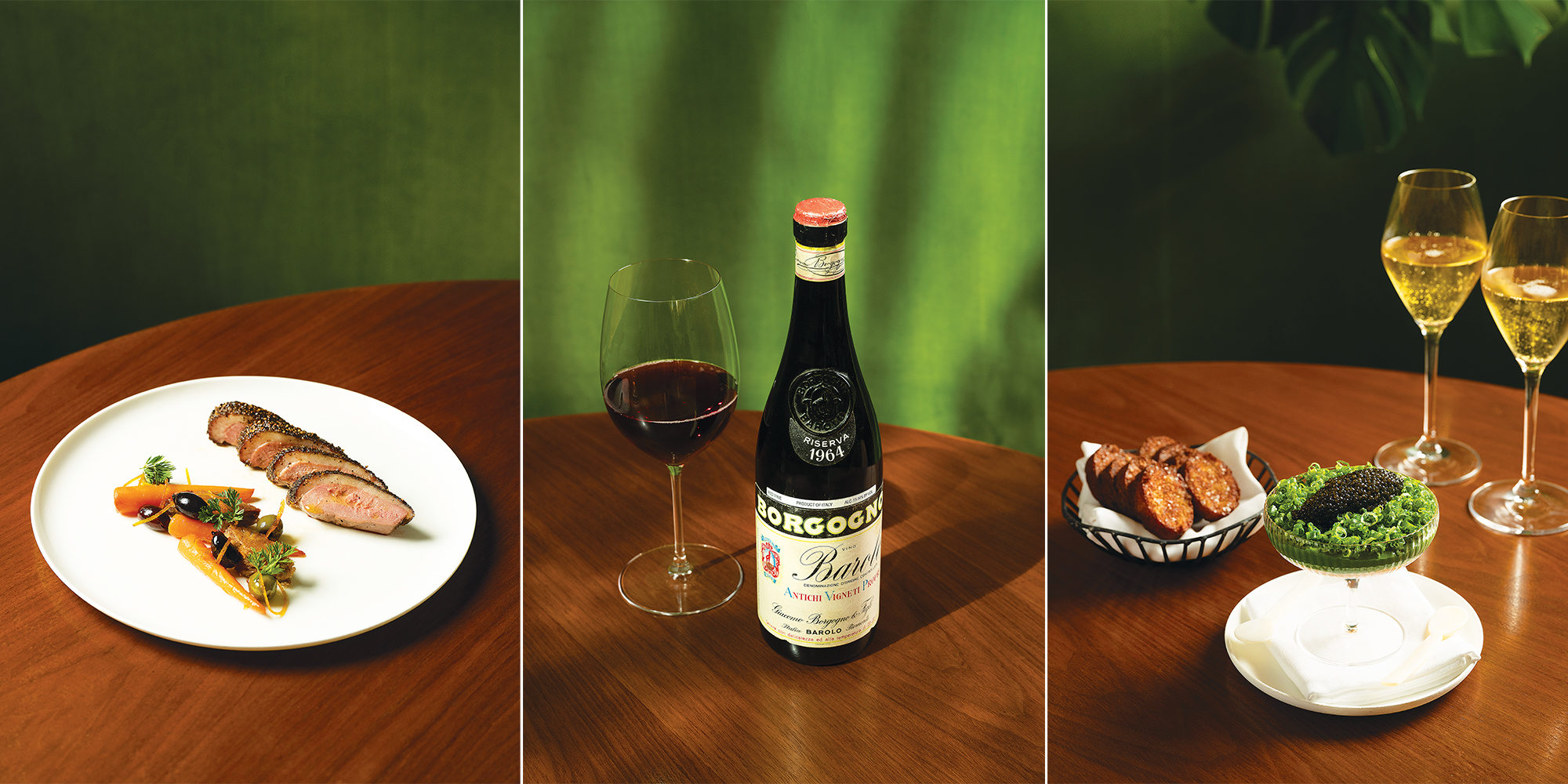
Wine doesn’t have to be intimidating—or expensive—to be enjoyable. Like any other beverage, it comes down to personal preference: red or white, dry or sweet, fruity or oaky. If you’re new to wine or looking to branch out beyond your favorite glass of rosé, Amy Racine, beverage director and partner with JF Restaurants, offers advice on where to begin.
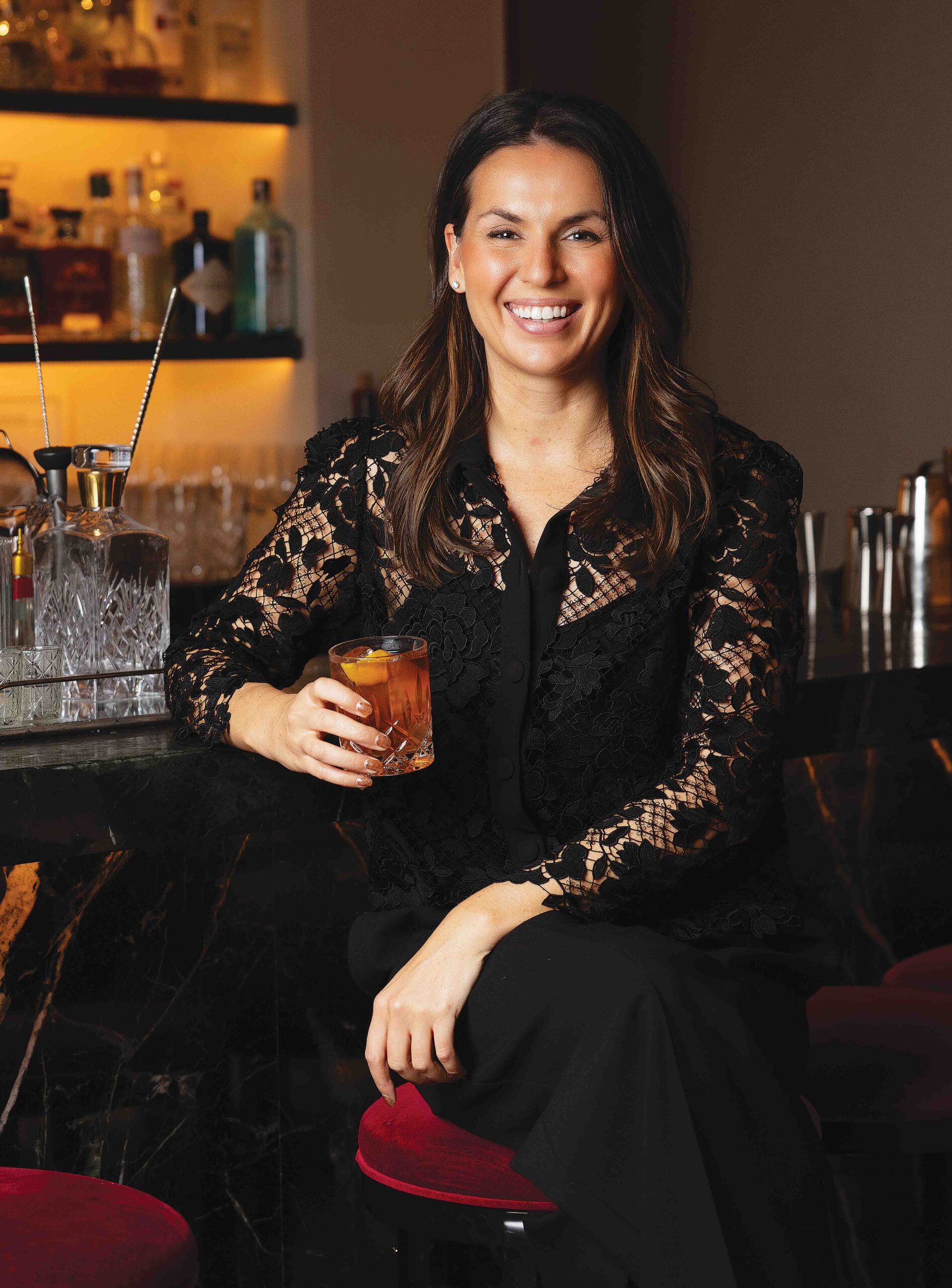
“I don’t think a good wine necessarily has to be full of pretense. Although there are amazing wines out there that are more expensive, there are also plenty of wines that are really expensive and aren’t necessarily of better quality than those at a lower price point,” says Racine, who oversees beverage programs across multiple properties, including Lilac at Tampa EDITION.
“I think a good wine depends on the person drinking it. You could have a good wine in Yankee Stadium or at a great Michelin-starred restaurant.”
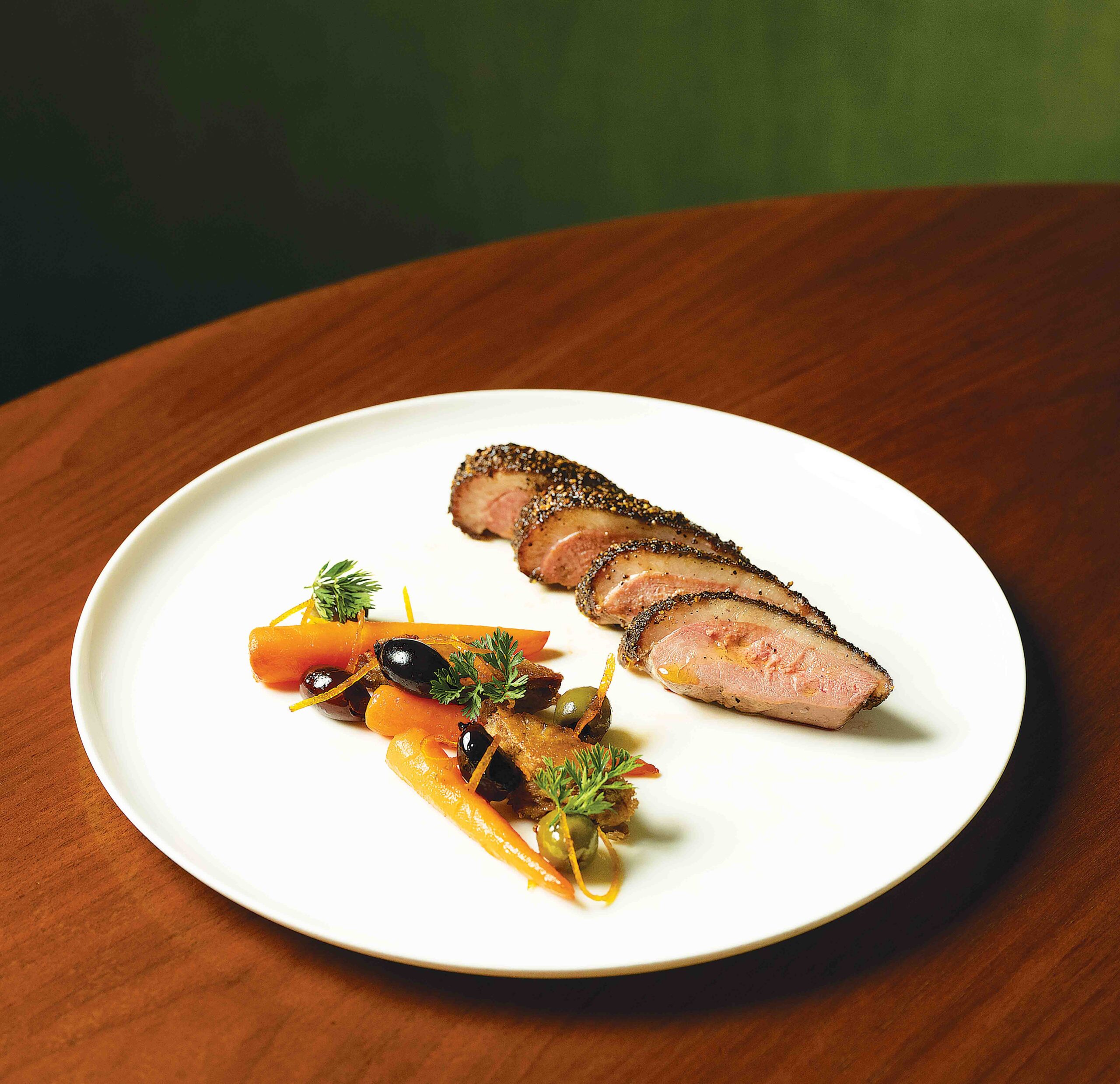
For those new to wine, there’s no single “right” way to learn. While formal education programs are more widely available today, hands-on experience remains one of the best teachers. Racine, a 2026 James Beard semifinalist for outstanding professional in beverage service and Wine Enthusiast’s “Beverage Director of the Year” (2024), suggests starting with exposure—trying different styles, attending tastings or simply exploring wines at restaurants or local shops.
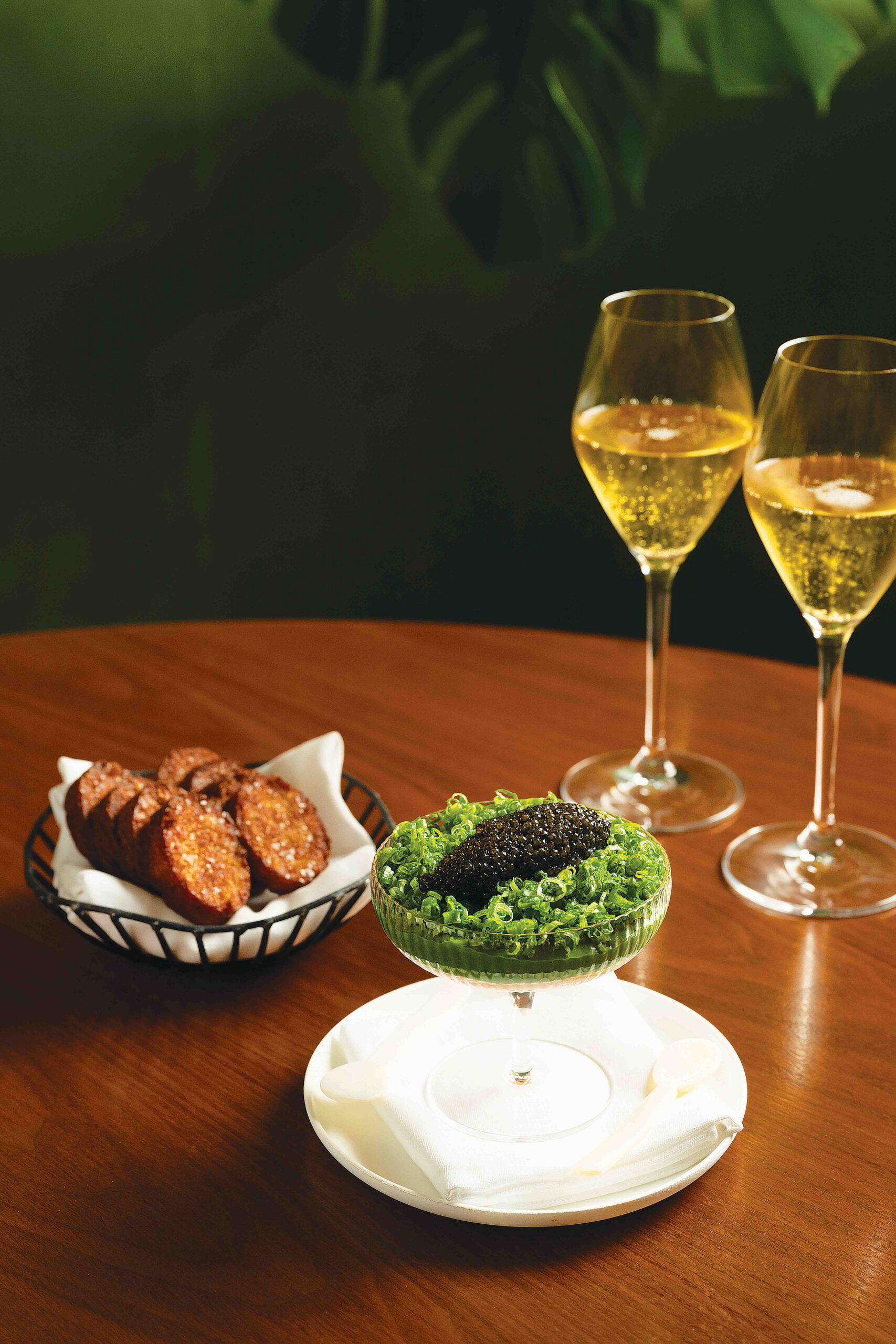
When it comes to pairings, Racine leans toward approachable combinations. She’s a fan of sparkling wines with fried foods, such as Raventós i Blanc—a Spanish sparkling wine that pairs well with everything from calamari to french fries.
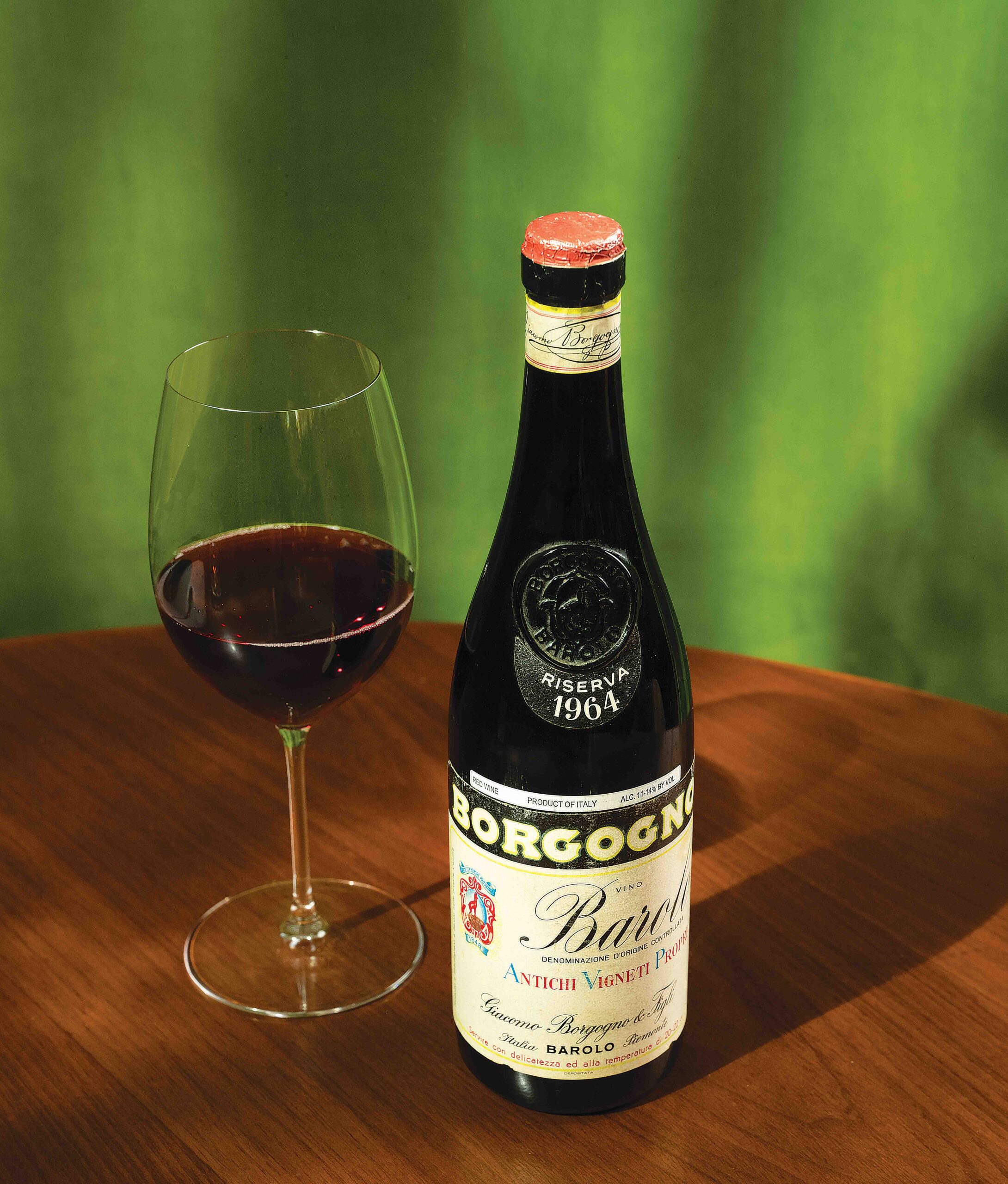
For entertaining, roast chicken, vegetables and salad can be paired with versatile, crowd-pleasing options like unoaked chardonnay, pinot noir or Beaujolais.
In the summer, lighter, brighter wines take center stage. Whites made from assyrtiko grapes offer a lean, mineral-driven profile similar to sauvignon blanc, but less fruit-forward. Paired with watermelon and feta, the result is a balance of sweet and salty. Another warm-weather favorite is Vinho Verde from Portugal, a slightly effervescent, citrusy wine that’s clean, crisp and easy to drink.
For bolder flavors, unexpected pairings can shine. Wines with a touch of sweetness, like riesling, complement spicy dishes such as Thai or other Asian cuisines. A fruit-forward rosé can also help cool the heat, making it a natural match for spicy foods like wings.
If you’re unsure what to buy, Racine encourages asking for help.
“I think for a long time there was a lot of pretense behind wine service that didn’t help the fact that wine is already intimidating, and I think there’s a lot of great people out there—sommeliers, bartenders—that just want to share the joy of something delicious,” she says.
At the end of the day, wine is meant to be enjoyed—not overthought.
Meet Andy McNamara, Master Sommelier. Want to advertise with us? Find out how.

